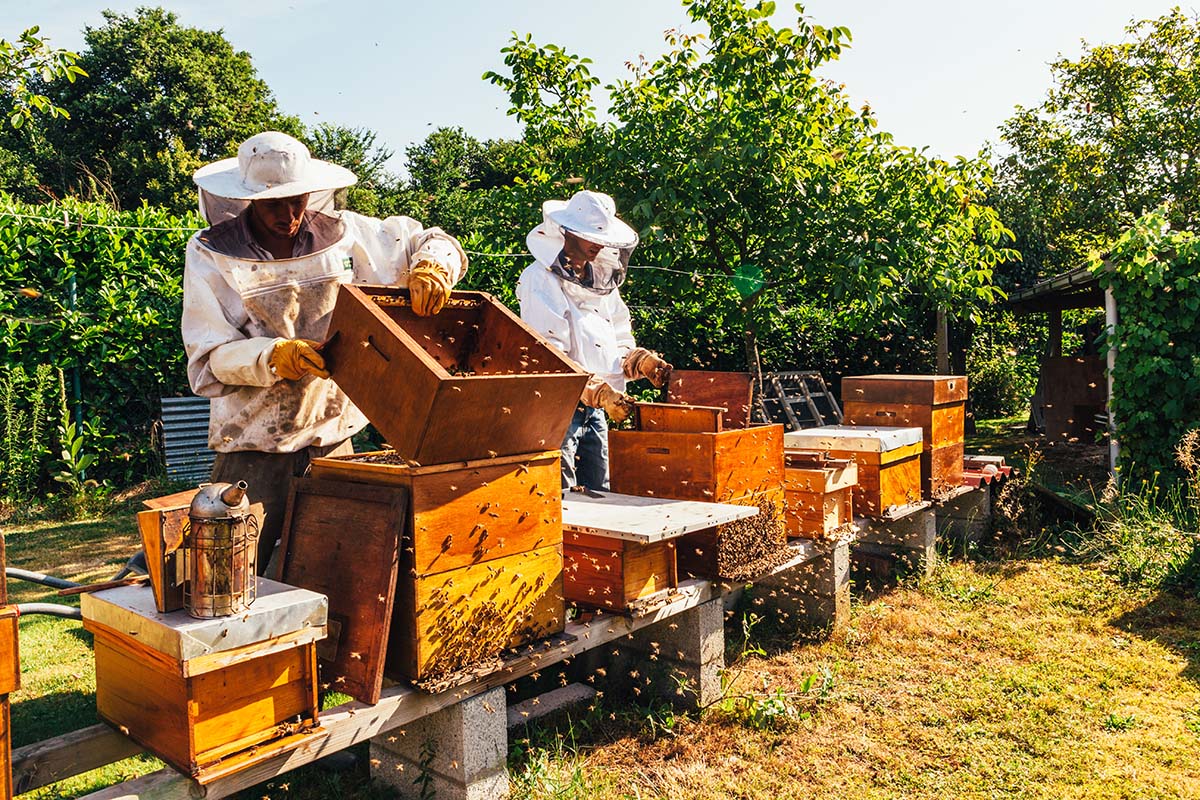
Why are bees important?
Bees are essential pollinators, playing a crucial role in maintaining biodiversity and supporting global food production. They facilitate the reproduction of flowering plants by transferring pollen, which leads to the formation of fruits and seeds. This process is vital for the survival of many plant species and the animals that depend on them for food and habitat. Additionally, bees contribute significantly to agricultural economies by enhancing crop yields and quality. Their pollination services are indispensable for a wide variety of fruits, vegetables, nuts, and seeds that make up a substantial portion of the human diet. Without bees, ecosystems would suffer, and food security would be at risk.
Did you know?
Environmental pollution from intensive agriculture is a critical factor in bee population declines. Effective bee conservation must address these underlying pollution stressors to successfully restore healthy ecosystems.
Bee declines are directly linked to agricultural intensification
a primary driver of wild bee loss. This intensification includes the overuse of fertilizers, pesticides, and other chemical inputs—all classified as environmental pollution..
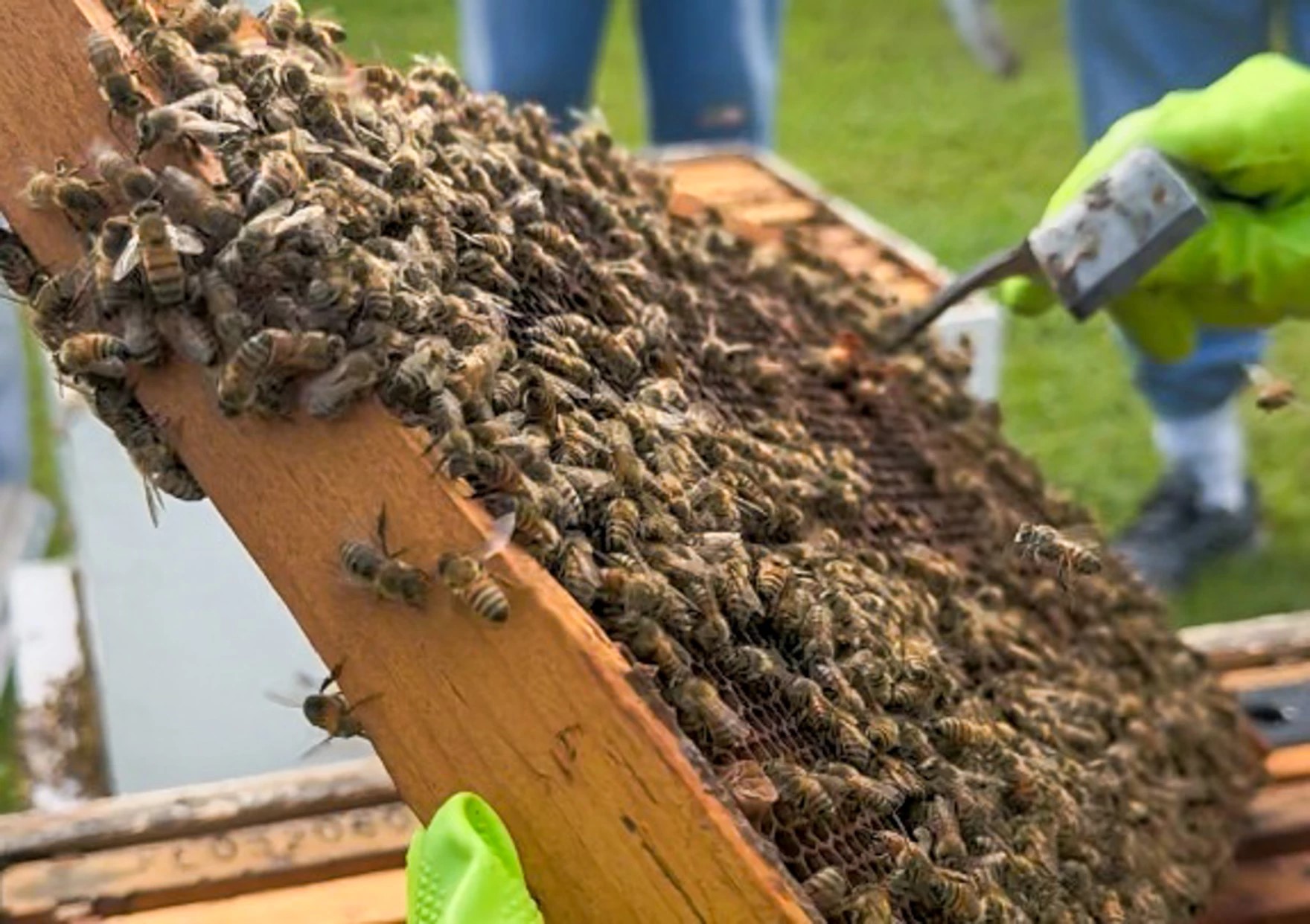
High land-use intensity, measured by nitrogen input and pesticide use, is a key stressor.
These pollutants contaminate soil and water, degrade floral quality, and reduce the availability of safe, nutritious food sources for bees.
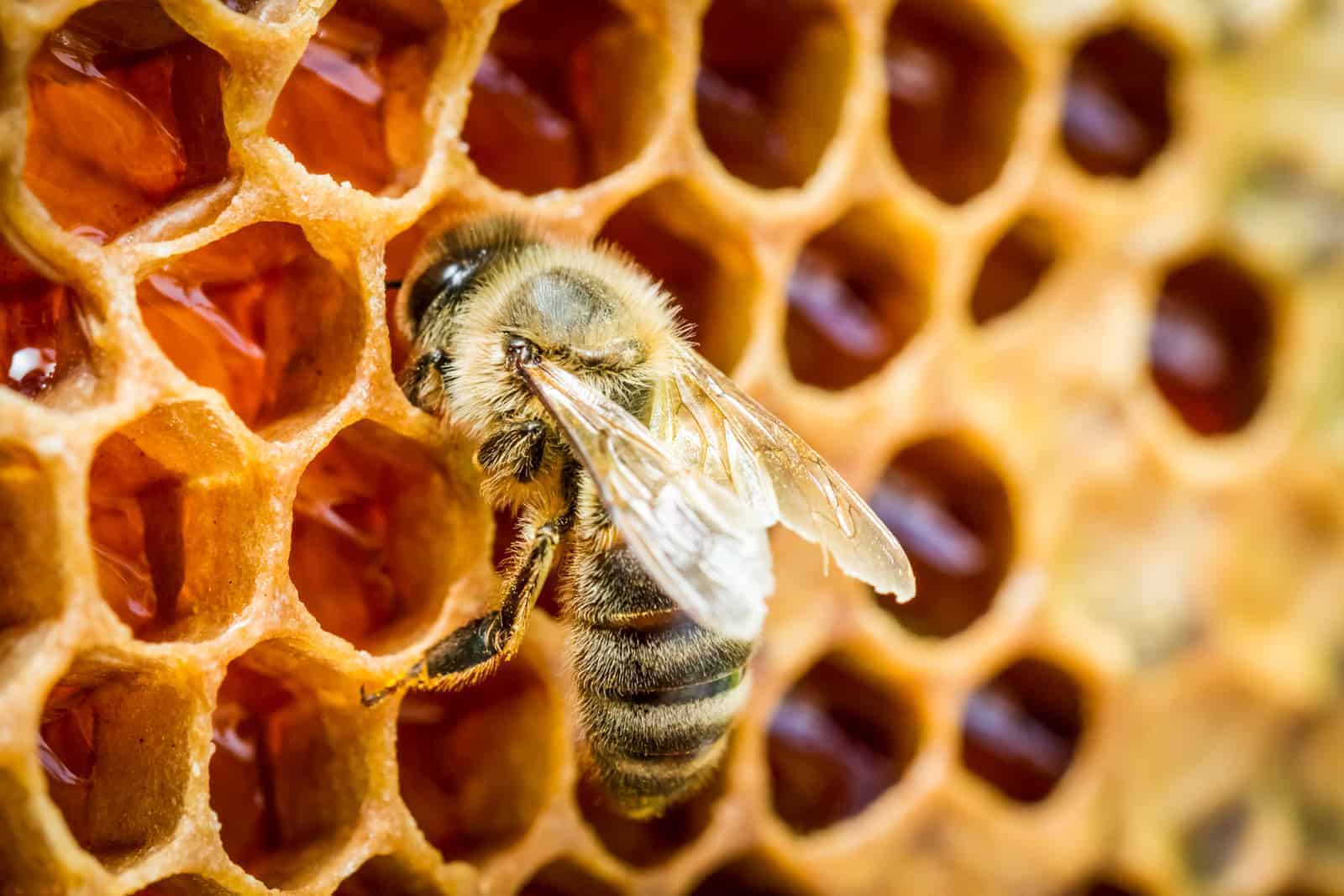
The effectiveness of conservation efforts, like planting wildflower strips, is influenced by polluted landscapes
In areas with high agricultural intensity (and thus higher pollution), the positive impact of conservation measures can be significantly reduced..
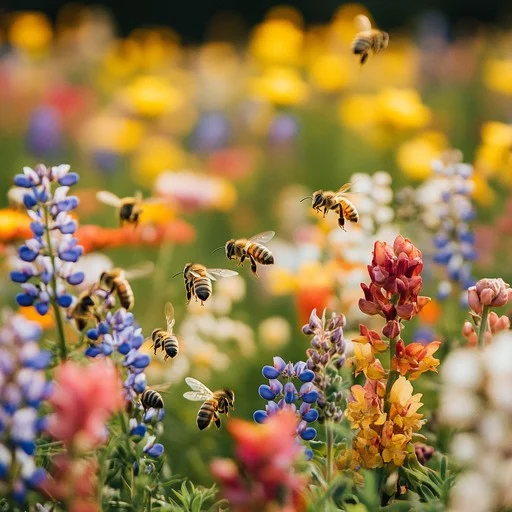
Mitigating pollution is crucial for bee conservation.
Efforts to reduce pollution from agricultural activities can help restore floral resources and improve habitat quality for bees, enhancing the effectiveness of conservation strategies.